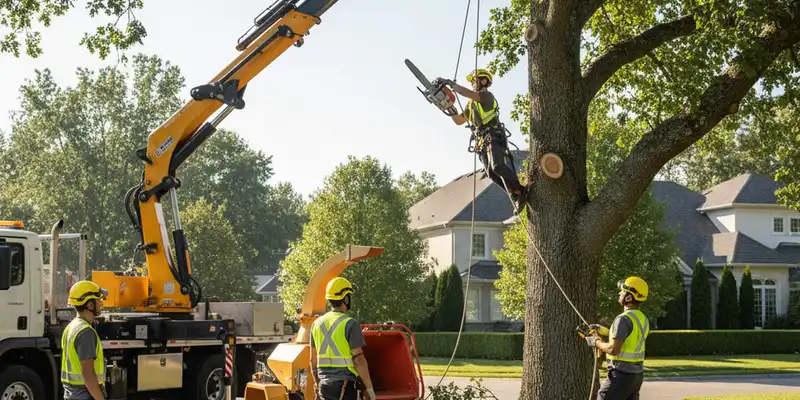
Louisville, NE, sits in the Platte River corridor, where homes, acreages, and agricultural land often meet under large, established trees. Seasonal flooding, older canopy growth, and wide property lines can all complicate routine tree work. Local professionals in Omaha know how to evaluate root pressure near drainage easements, manage limbs that extend over outbuildings, and clear storm debris from properties that need safe access in river-valley conditions.
That is why more Louisville, NE, property owners turn to Arbor Tree Care for dependable, year-round maintenance.

Prefer to Talk to An Expert?
(402) 513-2244
Why Louisville Property Owners Trust Local Professionals to Get It Right
Crews who work in this area understand the age of the tree canopy, the moisture levels in floodplain soil, and the access limits common on rural properties. That local knowledge shapes every job, from equipment selection to cleanup, so the work fits Louisville conditions and not a generic suburban setup.
From expert stump removal solutions near Highway 50 and the Louisville grain elevator to precision pruning on mature oak and walnut trees by the Platte River Recreation Area, each project is completed with care, control, and long-term property health in mind.
If you care about keeping your land safe and attractive, local tree professionals can help maintain clear sightlines, healthy growth, and a well-kept property in Louisville.
Our Tree-Service Services
in Omaha, NE, Include
Tree Services Built Around Louisville Neighborhood Conditions
Louisville’s mix of in-town homes, river-edge acreages, and agricultural borders calls for more than a standard tree service plan. Local crews adjust their approach for each property so the work matches the site, the access points, and the condition of the trees.
That applies whether the job is on a Platte River lowland acreage, an older lot near downtown Main Street, or a newer home close to the Louisville Community Center.
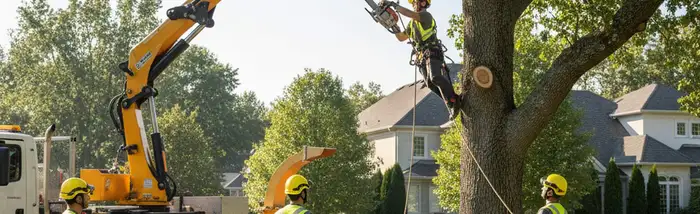
From professional tree trimming services and pruning to stump removal and emergency response, every service is shaped around the property and the surrounding landscape.
Louisville’s Tree Canopy Reflects Its History
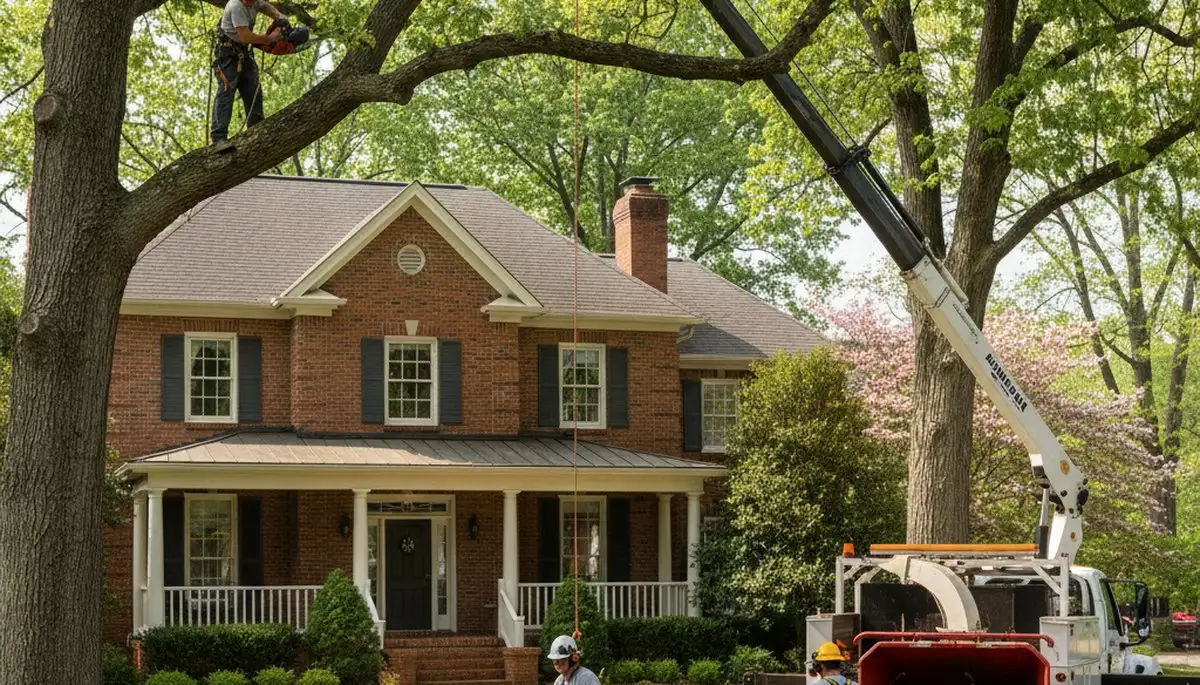
Louisville began as a small farming community along the Platte River, and many properties still carry the legacy of trees planted decades ago. That history remains visible in the overgrown canopy, aging root systems, and unstable soils that influence how tree care must be handled today.
Mature Trees and Heavy Canopy Spread
Older residential streets near Main Street and South Lincoln Avenue often have silver maples, cottonwoods, and elms that have grown far beyond their original space. Their broad canopies can reach over roofs and utilities, creating weight concerns and limiting access for standard equipment.
Local professionals address those conditions with selective crown reduction, deadwood removal, and targeted limb pruning to improve clearance and reduce the chance of storm failure.
Floodplain Soil and Root Concerns
Being close to the Platte River adds beauty and shade, but it also creates soil conditions that can weaken tree anchoring. When flooding or heavy saturation occurs, roots may rot or lose stability, which raises the risk of trees falling in strong wind.
Professionals respond with soil aeration checks, reliable root protection services, and bracing methods suited to the low-lying ground found throughout Louisville.
Cedar Spread Along Rural Boundaries
Over time, eastern red cedars have spread from nearby fields onto many Louisville properties, crowding usable space and narrowing views along fence lines and lot edges.
Trusted crews handle cedar identification, removal, and stump grinding to open up the property and reduce competition with healthier landscape trees.
Storm Damage from Open Terrain
Louisville’s open landscape leaves trees exposed to high winds, hail, and ice storms that can split limbs, damage bark, or bring down entire trees, especially on properties with large specimens near buildings.
Experienced crews respond with fast debris clearing, emergency rigging, and structural assessment after storms. Residents near tree removal contractors in Plattsmouth, NE face similar river-corridor weather exposure and understand why preventative canopy care matters.
Tight Access and Rural Equipment Limits
Narrow gravel drives, overhanging branches, and soft shoulders can make it difficult to position tree equipment on Louisville properties. That often slows work compared with more open suburban settings.
Local professionals rely on compact lifts, hand-rigging methods, and careful staging to protect the property while completing the job safely. Property owners in places like year-round tree care in Gretna, NE face similar access issues, and the same careful approach applies here.

Kick off your tree service project today!
Tree Services in Louisville, NE: Support for Every Season
Whether you need routine maintenance or fast storm cleanup, local professionals help keep your property healthy, usable, and structurally sound:
Routine Tree Trimming and Pruning in Louisville, NE
- Crown Thinning for Mature Maples and Cottonwoods: Lowers wind resistance and removes interior deadwood on the large trees common along South Lincoln Avenue and nearby streets.
- Structural Pruning for Young Trees: Builds strong branch spacing and better long-term form for new plantings in Louisville’s growing residential areas near the community park.
- Utility Line Clearance Trimming: Prevents branches from crowding overhead lines, a frequent issue on older downtown lots where trees have grown beyond their original setbacks.
- Seasonal Pruning for Oak and Walnut Trees: Scheduled to limit disease spread, especially oak wilt concerns in established stands near the Platte River Recreation Area.
- Shrub and Understory Pruning: Controls dense shrubs and lower growth on rural-edge properties where cedars and invasive plants compete with maintained landscape features.
Scheduling trimming before spring storm season can help reduce canopy stress and protect Louisville property structures.
Tree Removal Services in Louisville, NE
- Hazardous Tree Removal Near Structures: Removes leaning or weakened trees on floodplain-adjacent lots where saturated soil has affected root stability near homes and outbuildings.
- Storm-Damaged Tree Removal: Clears trees that have split, uprooted, or partially failed after wind or ice events, which are common across Louisville’s open terrain.
- Dead Tree Removal from Agricultural Borders: Takes out standing dead trees along fence lines and field edges where cedar and elm loss can leave dangerous snags near livestock and equipment routes.
- Large Cottonwood and Silver Maple Removal: Handles oversized trees that have outgrown their original space near driveways, foundations, or utility corridors on older residential lots.
- Selective Removal for Canopy Thinning: Removes weak or competing stems so the remaining trees have a better chance to stay stable and healthy over time.
Removing compromised trees early helps protect Louisville properties and lowers the chance of emergency damage during severe weather.
Stump Grinding and Cleanup in Louisville, NE
- Below-Grade Stump Grinding: Grinds out cottonwood, maple, and cedar stumps below soil level to reduce trip hazards and recover usable yard space.
- Root Flare Grinding on Older Stumps: Smooths raised root flares left behind by older removals on in-town lots near Main Street, where they interfere with mowing and foot traffic.
- Multi-Stump Clearing on Rural Lots: Removes several stumps at once on agricultural-edge properties after cedar clearing along fence lines and open borders.
- Post-Removal Site Cleanup: Clears chips, exposed roots, and disturbed soil so the area is ready for reseeding, replanting, or hardscape work.
- Stump Treatment for Resprouting Species: Uses targeted treatment on silver maple and cottonwood stumps that tend to send up new shoots and complicate future maintenance.
Stump grinding leaves Louisville properties cleaner, safer, and easier to maintain while also reducing pest and decay issues tied to old stumps. It can also support healthier turf and simplify care for nearby landscape plantings.
Emergency Tree Services in Louisville, NE
- 24/7 Storm Response for Fallen Trees: Quickly removes fallen trees from drives, buildings, and access roads after wind or ice storms affect Louisville’s open river-valley landscape.
- Emergency Limb Removal from Structures: Clears limbs from roofs, fences, and outbuildings so property owners can safely inspect damage and move forward with repairs.
- Hazard Tree Stabilization: Secures or removes leaning and partially uprooted trees that pose an immediate threat to people, structures, or access routes.
- Post-Flood Tree Assessment and Removal: Checks trees affected by seasonal Platte River flooding and saturated soil, which can weaken roots even when the canopy still looks healthy.
- Emergency Access Road Clearing: Removes tree debris from gravel drives and rural roads so vehicles can get back in and out of Louisville properties safely.
When severe weather hits Louisville, a local crew that knows the river valley and rural access conditions can respond faster, work more safely, and limit extra damage to the property.