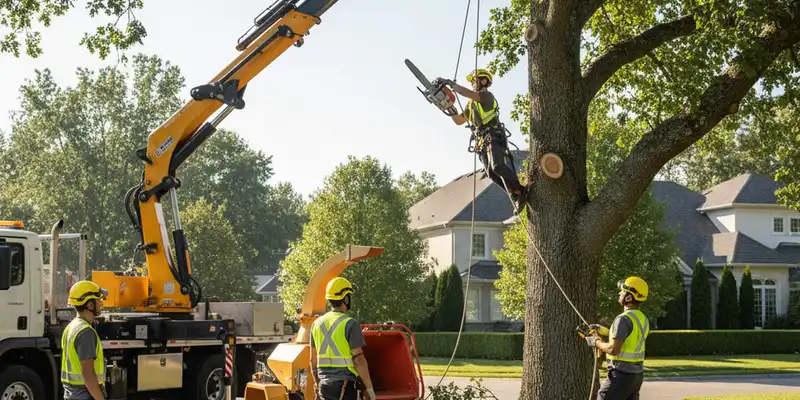
Crescent, NE lies along the western side of the Missouri River corridor, where acreage homes, farm parcels, and rural homesteads shape the land. Wide open lots, gravel drive access, and mature cottonwood and elm trees often create ongoing concerns with tree health, clearance, and safety. The network of tree care professionals in Omaha is equipped to handle overgrown canopies, storm-damaged windbreaks, and tree hazards on properties that face frequent weather shifts in this river valley.
That is why more property owners in Crescent, NE turn to Arbor Tree Care for dependable year-round maintenance.

Prefer to Talk to An Expert?
(402) 513-2244
Why Crescent Property Owners Rely on Local Experts
Because they work in this region every day, these professionals understand the spacing of acreage lots, the density of windbreaks, and the soil conditions found in flood-prone ground. Every job is matched to Crescent properties with equipment and methods that suit gravel road access, narrow lane entries, and wet soil common across this part of the Omaha area.
From pruning trees along County Road P-36 to removing dangerous limbs near Missouri River bottomland parcels, each project is completed with care, accuracy, and long-term property protection in mind.
If you care about your land, trusted contractors can help keep your trees healthy, your drives open, and your property safer in Crescent.
Our Tree-Service Services
in Omaha, NE, Include
Tree Service Coverage That Matches Crescent Properties
The broad lots and low-clearance gravel lanes in this area call for tree care that is tailored, not generic. Local professionals bring a site-specific approach to every homestead, acreage, and rural parcel.
Whether the work is on a farmstead off Calhoun Road, a river-adjacent lot near the Missouri River floodplain, or a rural home close to the Crescent grain elevator, the service plan changes to fit the property.
From tree trimming and stump removal to woodlot management and storm damage response, the work is designed around Crescent’s rural setting and the needs of each site.
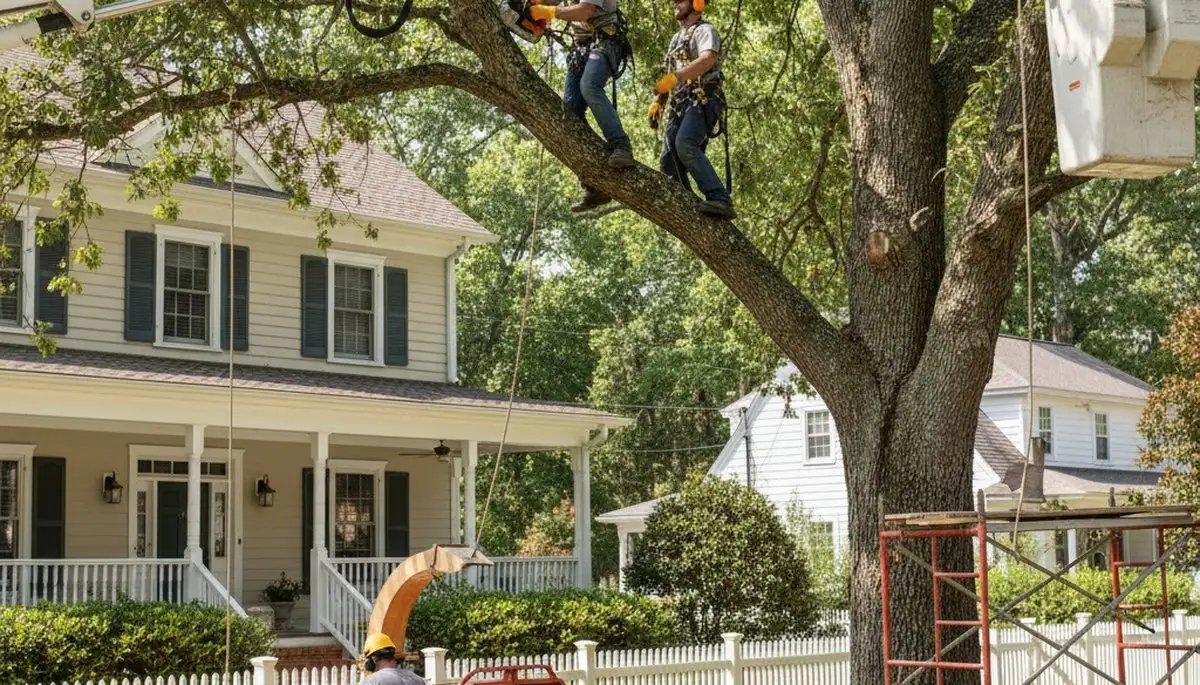
Crescent’s Windbreak Tradition and What It Means for Tree Care
Crescent grew as an agricultural community near the Missouri River bluffs, where early homesteaders planted thick windbreak rows to shield crops and buildings from strong Great Plains winds. That legacy still affects the area today through crowded windbreak corridors, aging cottonwoods, and root systems stressed by flooding, all of which shape how tree work needs to be handled now.
Aging Windbreak Rows and Weak Structure
Many Crescent properties, especially along the acreage stretches near Calhoun Road and County Road P-36, still have windbreaks planted decades ago that were never meant to stay this dense for so long. As trees compete for space, branch strength declines and access becomes harder around lanes, fences, and outbuildings.
Local professionals address these issues with selective thinning, deadwood removal, and targeted tree pruning to improve structure, reduce storm risk, and keep property access workable.
Cottonwood and Elm Growth Near Buildings
Mature cottonwoods and elms add shade and wind protection, but they can also create serious clearance problems around homes, sheds, and barns. When limbs extend too far, they can damage roofs or gutters during the high winds that commonly move through the Missouri River corridor.
Crews manage these trees with crown reduction, weight redistribution, and careful tree trimming that accounts for nearby structures and dense windbreak conditions.
Flood-Stressed Roots in Low-Lying Areas
Seasonal flooding and standing water have left many lowland trees in Crescent struggling with unstable roots and poor nutrient movement in compacted, saturated soil.
Experienced pros support these trees with root protection checks, soil aeration, and tree fertilizing services that encourage healthier roots and lower the risk of lean or uprooting during wet, windy periods. Property owners facing similar river-valley conditions often work with crews who understand bottomland soils — those searching for tree removal contractors in Fort Calhoun, NE will recognize many of the same moisture-related concerns found here in Crescent.
Storm Damage from Severe Weather
Weather across Nebraska’s Great Plains can bring derecho-strength winds, spring hail, and ice buildup, all of which can snap limbs, split trunks, or bring entire trees down on Crescent acreage properties.
Skilled crews respond with emergency tree services, clearing debris, removing hazardous limbs, and evaluating damaged trees so access and safety can be restored as quickly as possible after severe weather.
Gravel Lane Access and Low-Clearance Challenges
Many Crescent properties include narrow gravel lanes and tight approaches that make equipment setup and canopy work more complicated without proper planning.
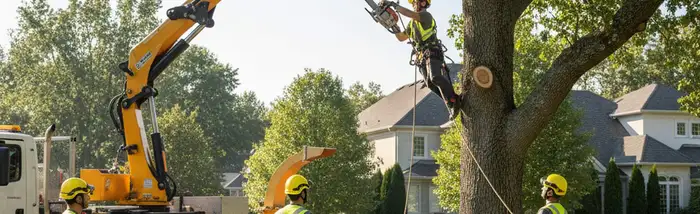
Local crews use compact rigging and tracked aerial equipment to reduce ground impact while still completing the work safely and efficiently. Providers serving areas like tree trimming services in Waterloo, NE deal with similar rural access issues and use comparable methods throughout the Crescent service area.

Kick off your tree service project today!
Tree Services in Crescent, NE for Every Season
From regular windbreak maintenance to urgent storm cleanup, local professionals help keep properties safe, accessible, and structurally sound through every season:
Routine Tree Trimming and Pruning in Crescent, NE
- Windbreak Row Thinning: Dense windbreaks along Calhoun Road acreage parcels are selectively thinned to ease canopy competition and restore better spacing between established trees.
- Cottonwood Limb Reduction Near Outbuildings: Long, heavy cottonwood limbs close to barns, sheds, and homes are shortened with directional cuts that preserve wind protection while reducing contact risk.
- Elm and Ash Structural Pruning: Mature elm and ash trees with co-dominant stems receive professional tree pruning to strengthen structure before split-trunk problems develop.
- Lane Clearance Trimming: Overhanging branches above gravel lanes are lifted and cleared so vehicles and equipment can move safely across rural entrances.
- Seasonal Deadwood Removal: Regular deadwood removal from established shade trees helps lower the chance of storm-season limb failure and supports long-term canopy health on exposed Crescent properties.
Plan trimming before spring storms arrive so your Crescent property stays accessible and your canopy stays in better condition all year.
Tree Removal Services in Crescent, NE
- Removal of Leaning Hazard Trees: Trees weakened by flood conditions and showing lean or root heave near structures and lanes are removed before they become a fall hazard.
- Storm-Damaged Tree Removal: Uprooted trees, split trunks, and wind-broken crowns left behind by ice storms or strong winds are cleared with controlled rigging suited to rural layouts.
- Dead Tree Removal from Windbreaks: Standing dead cottonwoods and elms in windbreak corridors are removed to reduce disease spread and limit fire risk across nearby agricultural land.
- Volunteer Tree Removal: Self-seeded trees that crowd fence lines, drainage channels, or building edges are cleared to improve function and reduce conflicts on the property.
- Large Tree Removal Near Structures: Mature trees too close to roofs or foundations are removed in sections so nearby structures stay protected throughout the process. Professionals offering reliable tree removal solutions apply the same careful approach across rural properties throughout the region.
Removing dangerous trees in time helps protect Crescent properties and reduce storm-season damage.
Stump Grinding and Cleanup in Crescent, NE
- Windbreak Stump Grinding: Stumps left from windbreak removal are ground below grade to remove tripping hazards and make mowing or replanting easier.
- Gravel Lane Stump Clearance: Stumps near lane edges are ground flush to recover full driving width and prevent equipment contact during routine access.
- Agricultural Perimeter Stump Removal: Stumps along fences and field boundaries are cleared through stump removal so mowing, fencing, and equipment movement are less obstructed.
- Post-Storm Root Ball Grinding: After storm removals, uprooted root balls are ground down to reduce the mess and help restore level ground in lawns and pasture areas.
- Multi-Stump Site Cleanup: Properties with several older stumps from past clearing work receive full grinding and debris removal to leave a cleaner, more usable site.
Stump grinding clears the way for easier maintenance and more usable ground across Crescent’s acreage properties.
Emergency Tree Services in Crescent, NE
- Storm-Fallen Tree Cleanup: Trees blown over by wind and blocking lanes, driveways, or entry paths are removed quickly so property access can be restored after severe weather.
- Hanging Limb Hazard Response: Broken limbs hanging in the canopy over roofs, vehicles, or walkways are removed with controlled rigging before they fail on their own.
- Flood-Uprooted Tree Removal: Trees destabilized by Missouri River floodwater and showing exposed roots or active lean are assessed and removed before they collapse unexpectedly.
- Ice Storm Structural Triage: Ice-loaded branches bending toward power lines, roofs, or outbuildings are addressed with emergency crown reduction before thawing shifts the load and causes damage.
- 24-Hour Emergency Response for Crescent Properties: Emergency tree services are available at all hours for Crescent property owners dealing with active storm damage, sudden tree failure, or blocked access that cannot wait for regular service hours.
Quick emergency response helps protect structures, reopen lanes, and prevent extra damage after severe weather moves through the Missouri River corridor.